
Roles Supporting Women, Babies, and Families
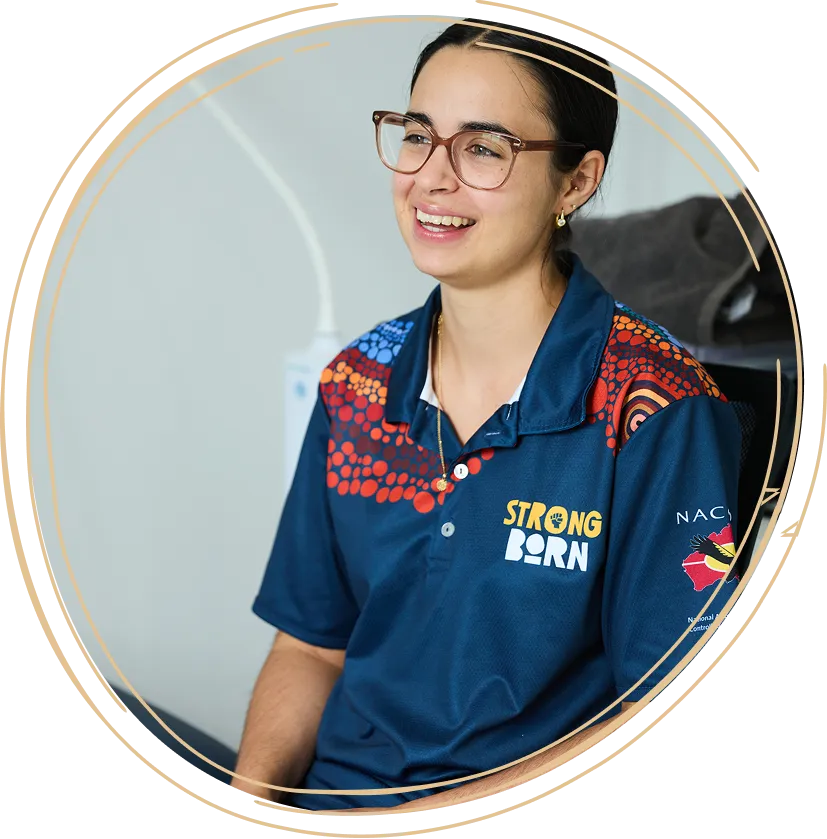
There are many ways to support our women, babies, families and communities during such a transformative part of life. Each role contributes to keeping Mob healthy, strong and supported throughout pregnancy, labour, birth and beyond.

Midwife
Aboriginal midwives play a critical role in creating culturally safe maternity care. They understand community, family, and cultural needs, build trusting relationships, and advocating for women in hospital and community settings. Midwives support continuity of care and help ensure women feel seen, respected, and safe throughout pregnancy, labour and birth, and the weeks after birth.
Bachelor of Midwifery (3 years, university) Alternative Pathways
Bachelor of Nursing → Graduate Diploma / Bachelor of Midwifery
Aboriginal Health Practitioner / Worker
Aboriginal Health Practitioners offer cultural, emotional, and practical support to women and families during pregnancy and early parenting. They are often the cultural bridge between families and health services. They support women in navigating appointments, understanding care options, and feeling safe within health systems. Their presence strengthens trust, reduces fear, and ensures that maternity care reflects cultural values and community needs.
Certificate III or IV in Aboriginal and/or Torres Strait Islander Primary Health Care (Practice) Alternative Pathways
Bachelor of Nursing → Graduate Diploma / Bachelor of Midwifery
Registered Nurse
Registered Nurses are trained to provide essential care for individuals and their families. Their role involves helping to prevent diseases through public health initiatives, helping people to maintain good health through health promotion and treating existing health problems. Mob working as nurses bring valuable cultural understanding into hospital and community spaces. They advocate for women, support communication with families and help create safer healthcare environments. With additional study, nursing can be a pathway into midwifery or child and family health nursing.
Bachelor of Nursing (3 years, university) Alternative Pathways
Diploma of Nursing (EN) → Bachelor of Nursing
Child and Family Health Nurse / Midwife
Child and Family Health Nurses and Midwives support families after birth by providing baby health checks, feeding support, guidance on growth and development, and parenting advice. Mob in these roles help families feel supported beyond the immediate postnatal period. They offer culturally safe follow‑up care, build long‑term relationships with families, and support a strong start for babies and their caregivers.
Bachelor of Nursing → Postgraduate qualification in Child & Family Health Alternative Pathways
Bachelor of Midwifery → Post Graduate qualification in Child and Family Health
Birth Support Worker (Doula)
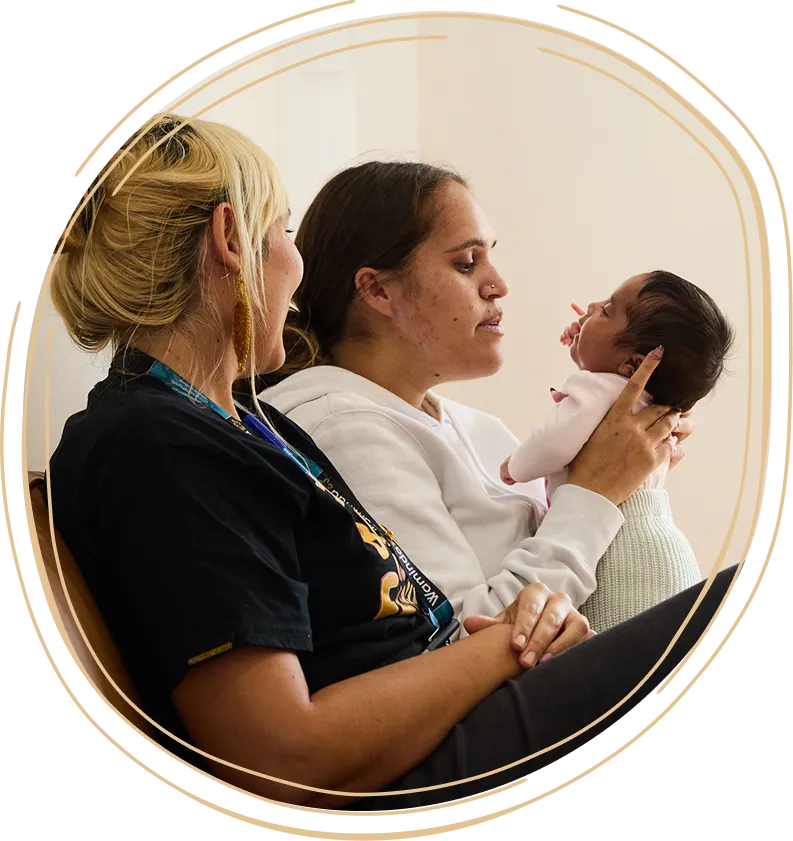
Birth support workers offer non-clinical emotional and physical support to women throughout pregnancy, labour, and early parenting. For mob, birth support workers can provide culturally grounded support, advocacy, and reassurance. They help women feel safe, heard, and supported, particularly in mainstream healthcare settings where women may feel vulnerable or misunderstood.
Non‑accredited or accredited doula training courses
Lactation Consultant
Lactation consultants offer support for breastfeeding and infant feeding. They provide families with education and help build confidence in their feeding choices. By respecting cultural practices and supporting women without judgment, lactation consultants strengthen the breastfeeding journey for mothers. This role not only promotes physical health but also supports cultural continuity.
International Board Certified Lactation Consultant (IBCLC) certification Alternative Pathways
Australian Breastfeeding Association - Diploma of Breastfeeding Management
General Practitioners (GPs)
General practitioners often support early pregnancy care, referrals, and shared care arrangements. They may also manage general health conditions during pregnancy and work closely with midwives to ensure that care remains coordinated and woman‑centred.
Bachelor of Medicine/Bachelor of Surgery (MBBS) or similar (5–6 years) → Doctor of Medicine (MD) or Masters of Medicine (4 years) → One-year internship → One-year Prevocational Training → Vocational Training (GP Fellowship - 3-4 Years)
Obstetricians
Obstetricians are specialist doctors who step in when pregnancy or birth care needs to be escalated. They provide medical and surgical care when needed and, where possible, support a return to midwifery‑led care.
Bachelor of Medical Science (3–4 years) → Doctor of Medicine (MD) or Masters of Medicine (4 years) → Internship and residency → Specialist training in obstetrics and gynaecology (RANZCOG)
Administration / Receptionist
Receptionists and administrative staff are responsible for managing bookings, providing information, and ensuring front‑of‑house care in maternity clinics and health services. These roles are often a family’s first point of contact. Mob in administrative roles help create welcoming and safe environments and can act as cultural anchors within maternity services. Additionally, these positions offer entry‑level pathways into health careers.
Certificate III in Business or Health Administration On-the-job training
Family Support (Case Management)
Family support workers assist with psychosocial needs, including housing, family safety, mental health, and connection to services during pregnancy and early parenting. They understand the broader community context, advocate for families, support women navigating complex systems, and help address barriers that affect maternity outcomes.
Certificate III or IV in Community Services